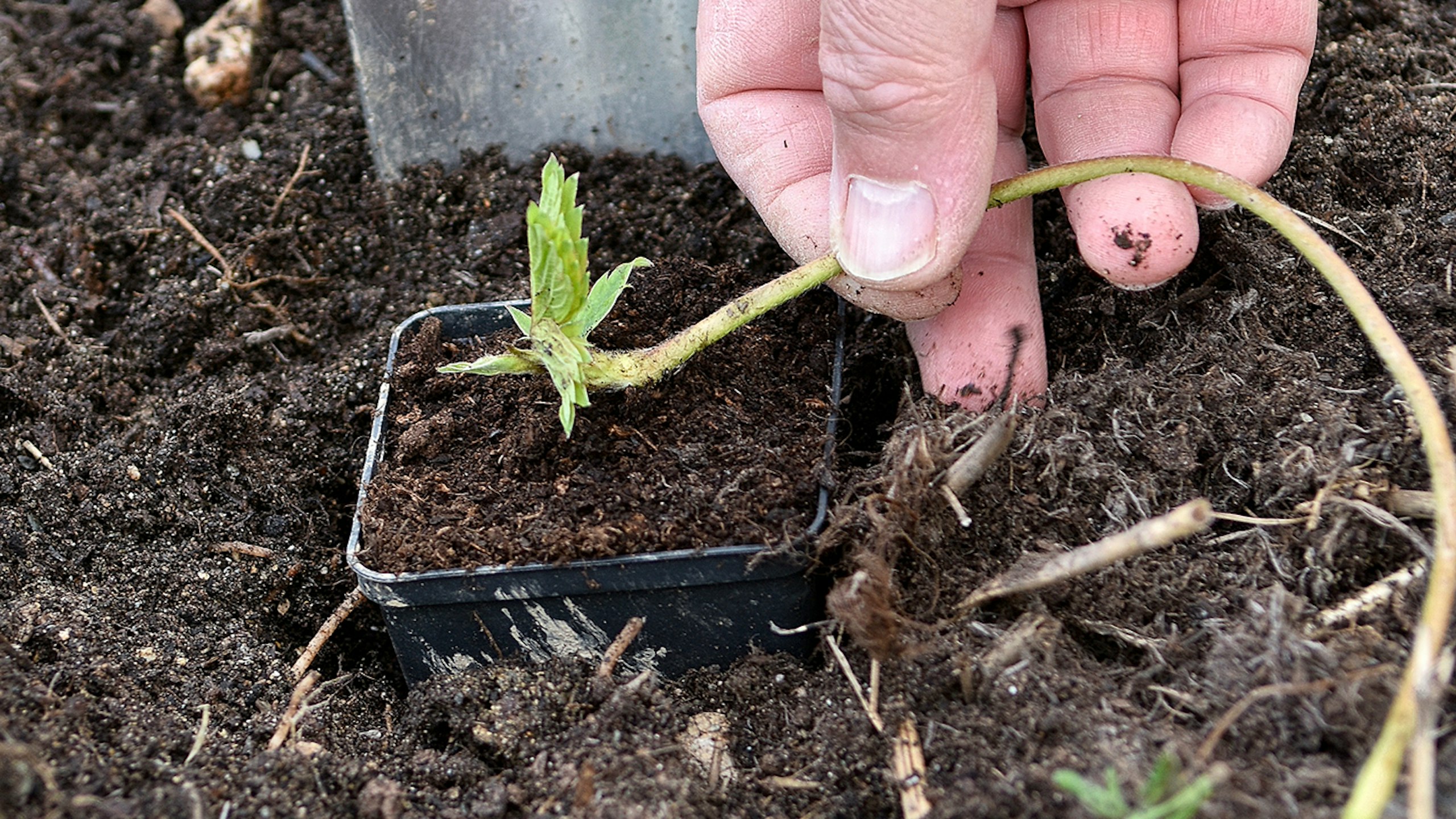
Strawberry plants naturally produce runners as they start cropping. These are creeping stems with small plantlets spaced along their length. Knowing when to remove them and when to use them will keep your plants healthy and your harvests strong.
Remove runners from young plants
If your strawberry plants are young and you don't need more plants, remove runners as soon as they appear.
This helps the plant focus its energy on:
• Producing fruit
• Building strength for next season
• It also stops your strawberry bed filling up with small, crowded plants that are harder to manage.
Use runners to replace older plants
Strawberry plants become less productive as they age. After two years, they often turn woody at the base and crop less reliably. Plants older than three years should be replaced.
This is the ideal time to use runners to raise fresh, vigorous plants.
• Choose only healthy plants
• Always propagate from strong, healthy plants that have cropped well.
Avoid using plants that:
• Have yellow leaves with green veins
• Look weak or unhealthy
These may carry a virus and should not be used for propagation, although this is not common.
Mildew on the leaves is different. Strawberries often suffer from mildew, but this is not a reason to avoid rooting runners. The young plantlets will usually produce fresh, healthy leaves.
Rooting runners in soil or pots
You can root strawberry plantlets directly into the soil or into small pots of compost. Rooting into the soil around mature plants is easier because the plantlets do not need separate watering. However, lifting and moving the newly rooted plants can be more difficult later.
Rooting into small pots filled with multi-purpose compost makes transplanting simpler. The new plants can be severed and replanted easily. Keep the compost moist at all times while roots are forming.
Step by step
1. Select the best parent plants. Choose mature, healthy plants that have cropped well.
2. Peg runners into place. Hold each runner steady against the soil using bent wire or similar supports so roots can form.
3. Use pots if preferred. For pot-grown strawberries, it is often easier to root plantlets into individual pots filled with multi-purpose compost.
4. Create one plant per runner. Peg the plantlet into the pot and cut off the rest of the runner. This gives you one strong new plant from each runner.
Love what you’re reading?
Subscribe to Garden News and get the latest gardening advice, plant care tips, and outdoor living ideas delivered straight to your door. Whether you're a seasoned grower or just starting out, Garden News brings you expert insights that’ll help your garden thrive.