Soil is at the heart of every successful garden. By understanding what’s under your feet, you’ll be able to pick the right plants for each area, improve your borders and help your garden thrive year after year.
Soil pH is a key factor for plant health. It’s measured on a scale from 1-14, showing whether your soil is acidic, neutral or alkaline. Always take samples from beneath the very top layer - surface soil is often influenced by fertilisers or mulch, which can affect results.
Use an auger, spade, or even a large drill bit with a power tool to collect soil from different parts of your garden, as conditions can vary widely.
Feel the texture
Soil isn’t just about pH - texture and structure play a big part, too.
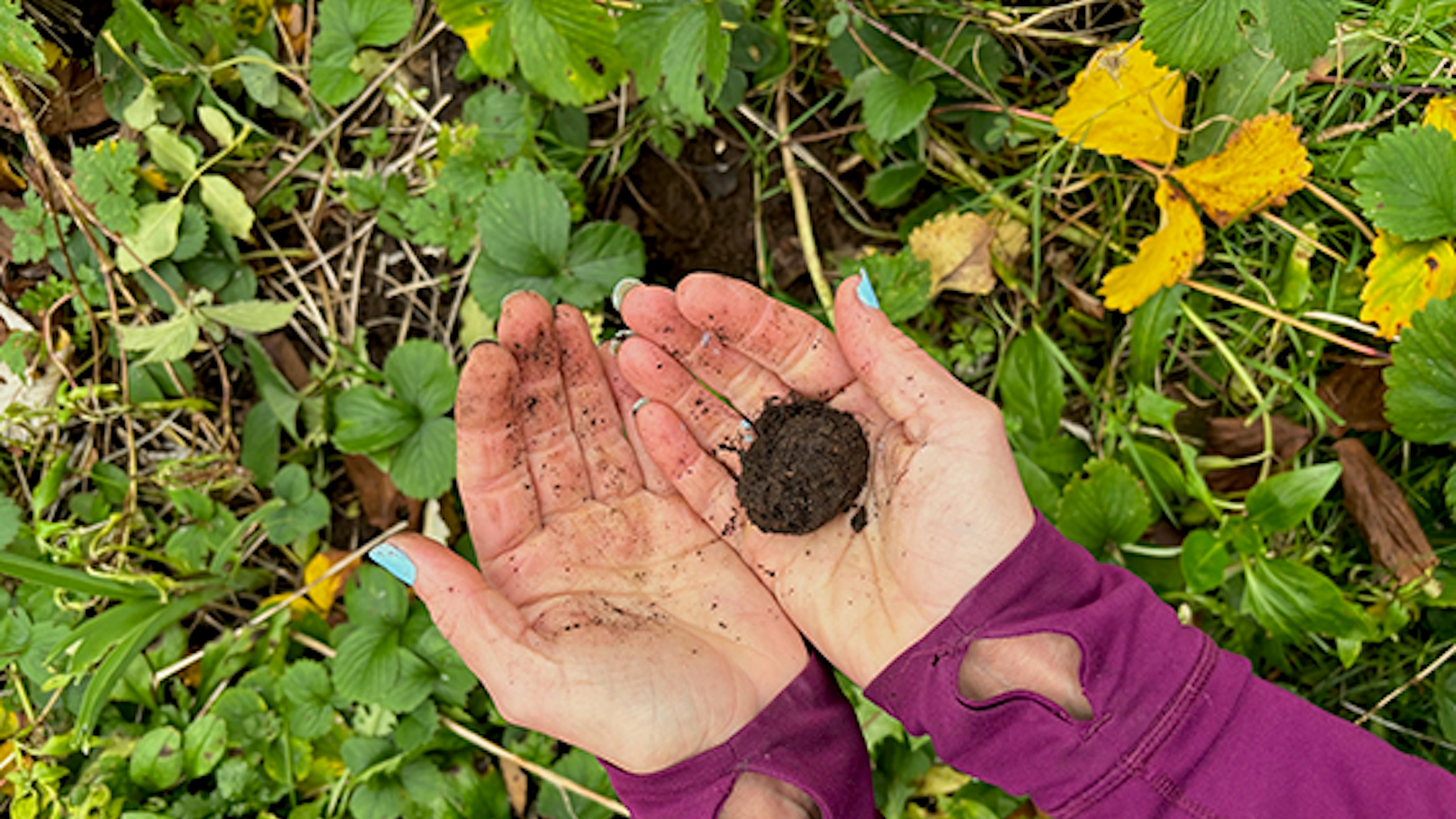
Clay soils are heavy, sticky and keep their shape (roll a sample into a sausage - it should hold together). However, sandy soils are gritty and fall apart. Loam is somewhere in between, feeling crumbly and easy to work.
Texture affects how well water and air move through the soil, which impacts root growth and plant health.
Simple steps to test your soil
1 Collect your sample
Dig below the surface with a spade or auger, then pop the soil into a clean container.
2 Check the type
Add a splash of water and roll a piece of soil in your hand. If it sticks together, you’ve got clay; if it falls apart, it’s sandy. If it’s crumbly and holds a loose ball, it’s likely loam.
3 The jam jar test
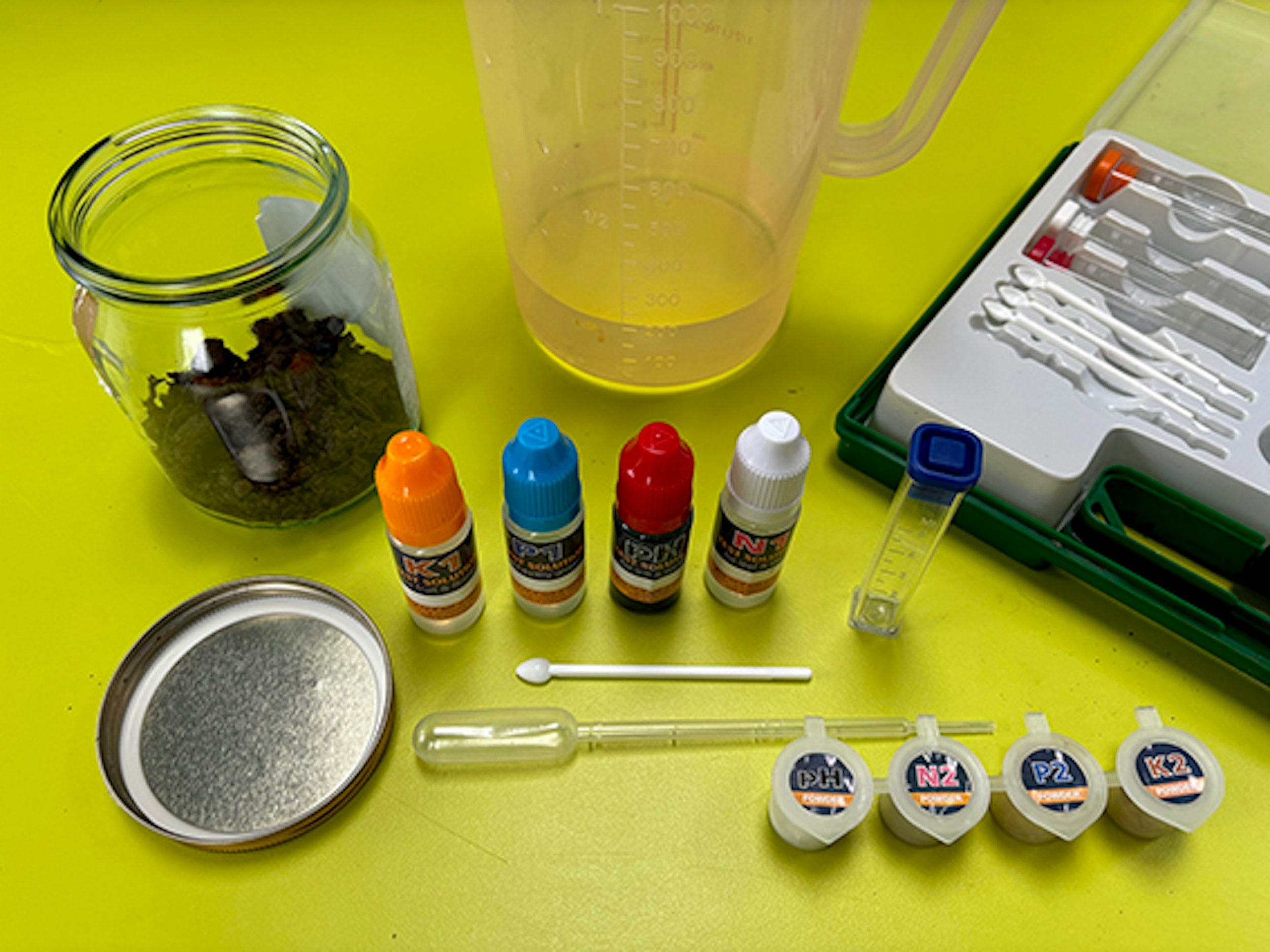
Fill a jam jar with four parts water (200ml) and one part soil (50g). Shake well for 30 seconds, then set the jar aside and let everything settle - this reveals the layers and structure of your soil.
4: Test the pH
Use a soil pH test kit or strip. Neutral soils test at pH 7. Values below 7 are acidic (plants like rhododendrons love this), above 7.5 is alkaline (great for lilacs and irises).
Improve your soil
You can help any soil by adding organic matter like compost, leaf mould, or mulch:
• Clay soils become lighter and drain better, especially when worms get involved.
• Sandy soils hold on to nutrients and water for longer. Spreading bulky organic matter boosts structure and helps roots grow stronger.
Love what you’re reading?
Subscribe to Garden News and get the latest gardening advice, plant care tips, and outdoor living ideas delivered straight to your door. Whether you're a seasoned grower or just starting out, Garden News brings you expert insights that’ll help your garden thrive.