Late winter is a busy time for gardeners. The promise of spring is in the air, but there’s still time to shape your plants before new growth starts. Pruning now helps shrubs, perennials, grasses and trees look their best and encourages strong, healthy shoots for the season ahead.
Ornamental grasses
• For deciduous grasses like deschampsia, hakonechloa and panicum, prune while they’re still dormant. • Gather the foliage in one hand and cut back to just above ground level with clean secateurs. Be careful not to clip any emerging new shoots.
• Hold off on cutting back pennisetum and miscanthus, as these start growing later - wait until April for these.
• For evergreen grasses such as carex and luzula, just remove dead or damaged leaves, snipping gently to tidy the plant.
Winter interest perennials
• Perennials such as echinacea, eryngium and rudbeckia often have seedheads that add winter interest, but tidy them up before new growth appears. Cut all old stems close to the ground - check for any fresh shoots and avoid cutting them.
• For ferns and evergreen perennials like acanthus or kniphofia, remove tatty foliage.
• Epimedium will look best if all its old leaves are cut to the ground before it starts flowering.
• Don’t prune salvias and penstemons until mid-spring, as they are vulnerable to frost.
Buddlejas
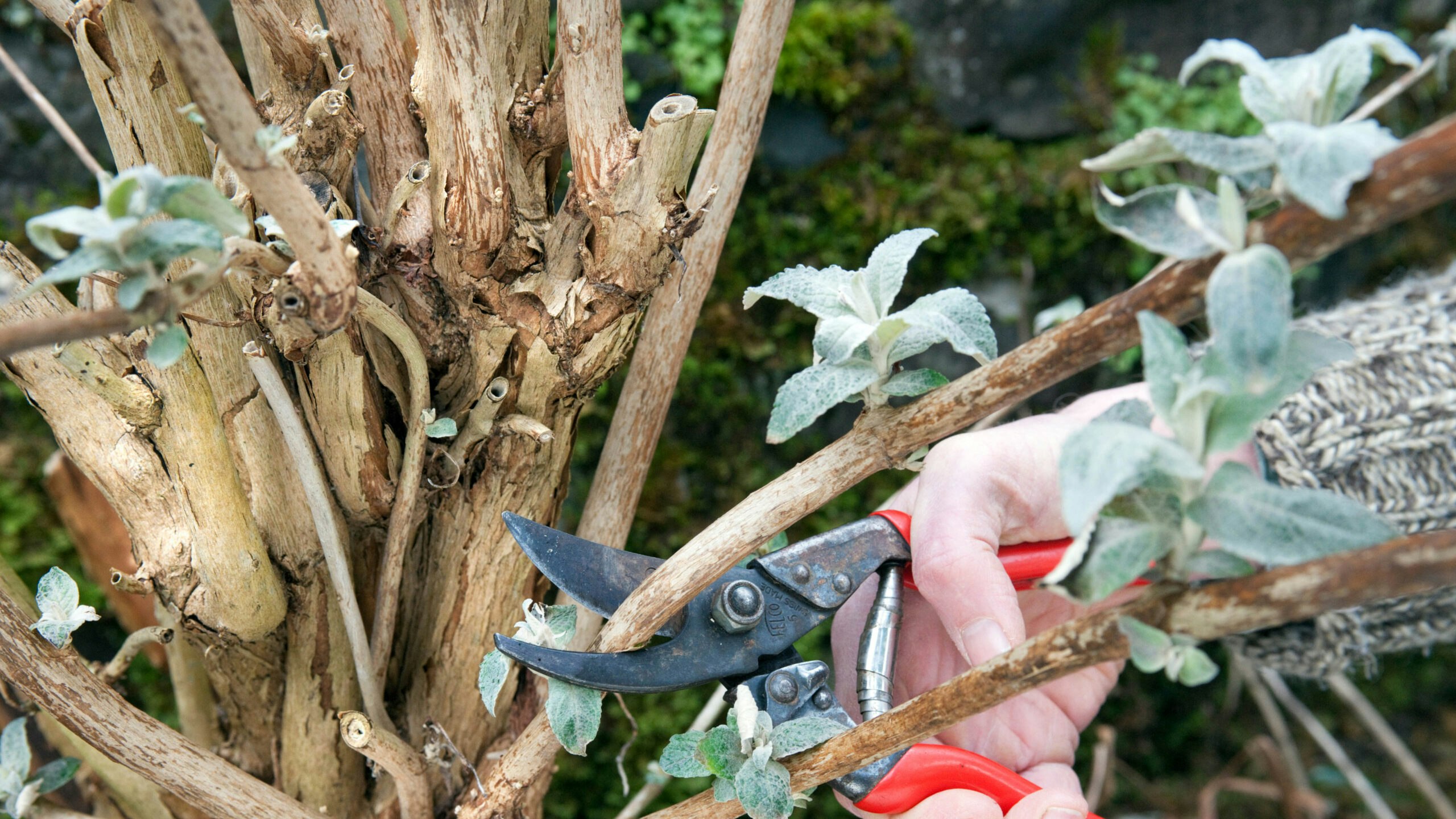
• To keep buddleja shrubs healthy and compact, prune hard - cut shoots back to leave just two buds above old wood. This may look drastic, but it encourages a mass of new, flower-producing stems.
• For compact types, reduce the whole shrub to about 20–30cm tall.
• Avoid pruning Buddleja alternifolia in winter; it flowers on old wood, so wait until after it finishes blooming to shape it.
How to cut tree branches safely
• Late winter is a good time to remove problem branches on deciduous trees.
• Use the three-cut method: first, cut halfway through the branch from underneath, about 45cm away from the trunk. Next, cut through from above, 2.5cm further out. Finally, cut back the remaining stub close (but not flush) to the trunk to avoid damaging the bark.
Summer-flowering shrubs
• Prune deciduous shrubs like spiraeas, hardy fuchsias and potentillas while dormant, as they bloom on new growth.
• Remove any dead, diseased or damaged branches, then thin out crossing or thin shoots.
• Tidy the shape by trimming back stray branches and remove a few older stems from the centre to let in more light and air.
Shrubs grown for colourful winter stems
• Pruning dogwoods, willows and ornamental brambles now ensures you’ll get the brightest stems next winter.
• Instead of cutting all stems to the ground (which can weaken the plant), prune back a third of stems hard, leaving the rest to grow bigger.
• For brambles, cut stems back to just above ground level each year to keep them neat.
Later-flowering clematis
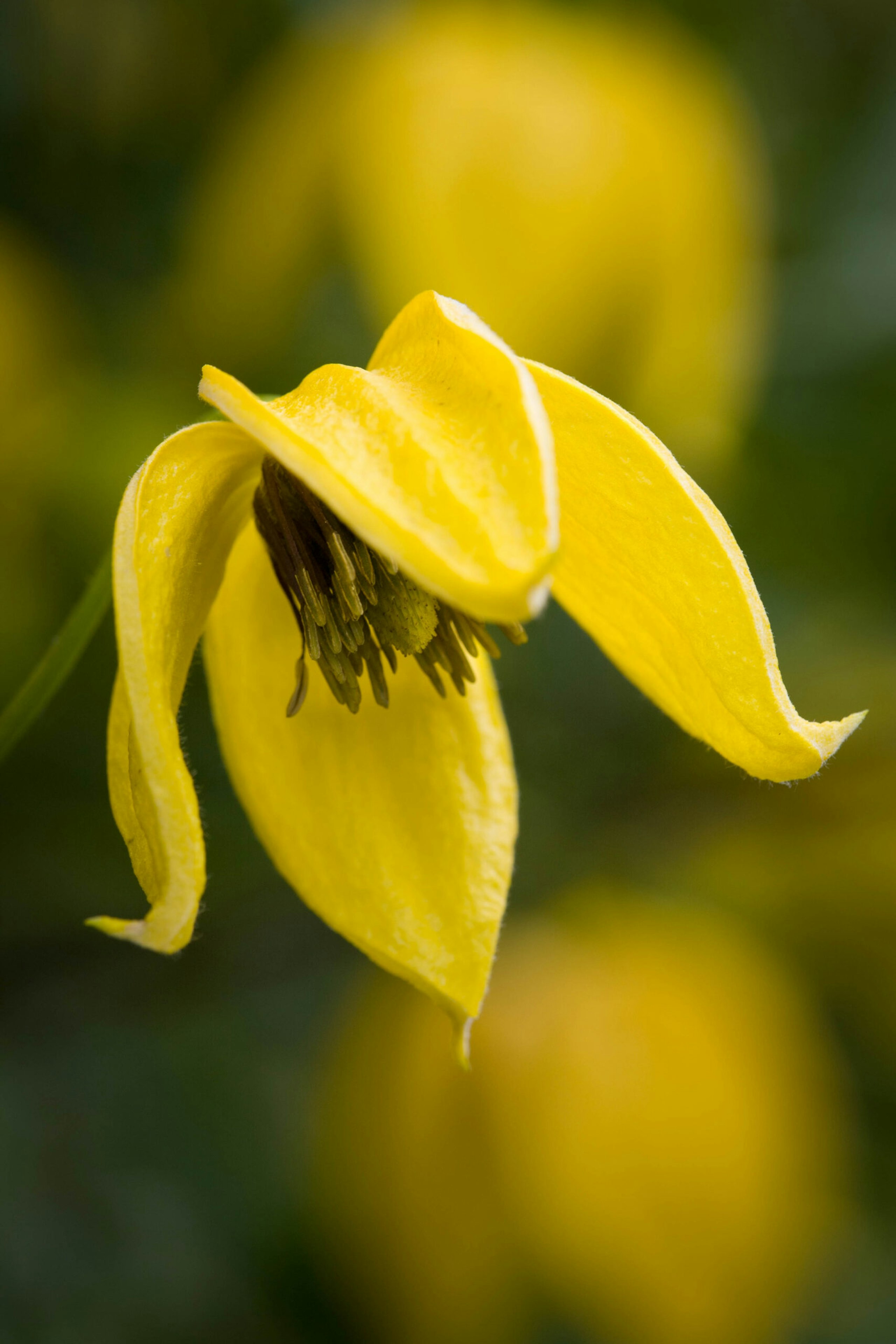
• Clematis varieties that flower from late summer should be pruned hard in late winter, otherwise, new blooms will only appear at the tops, leaving bare stems below.
• Once new buds appear, cut all stems back to around 30cm, just above a healthy pair of buds.
• Clematis to prune hard now include:
‘Bill MacKenzie’
‘Comtesse de Bouchard’
‘Princess Diana’
‘Ville de Lyon’
‘Cezanne’
Revitalise your roses
• For bush roses, cut out any dead, diseased or dying wood, then reduce the rest by up to half using a slanted, 45-degree cut away from the bud. This keeps water off the bud and prevents rot.
• With climbing roses, tie in any new shoots to fill gaps and cut old flowered sideshoots back by two-thirds. If the plant is congested, remove some of the oldest stems to promote fresh growth.
Perfect your pruning toolkit
Before you start, get the right tools:
• Secateurs: By-pass types are great for green stems, while anvil styles handle dead wood.
• Loppers: Ideal for thicker branches. Ratchet or geared loppers make quick work of growth up to 6cm thick.
• Hand-held pruning saw: Makes cutting large, woody branches much easier.
Simple aftercare for pruned plants
• After pruning, feed plants with a balanced fertiliser such as Growmore, Vitax Q4 or Blood, Fish & Bone (check the packaging for quantities). Scatter fertiliser around the base, gently rake it in and water if the soil is dry.
• Mulch with a 10cm-deep layer of composted bark, leaf mould, or garden compost to keep weeds down, retain moisture and protect roots. Leave a little gap around stems so you don’t soften the bark.
Love what you’re reading?
Subscribe to Garden News and get the latest gardening advice, plant care tips, and outdoor living ideas delivered straight to your door. Whether you're a seasoned grower or just starting out, Garden News brings you expert insights that’ll help your garden thrive.